Kristiina J. Hurme
Hummingbirds
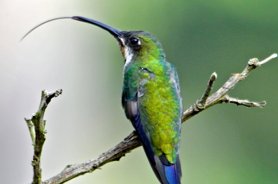
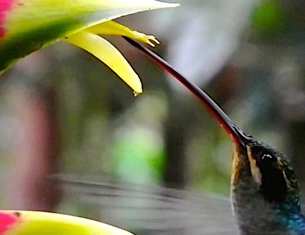
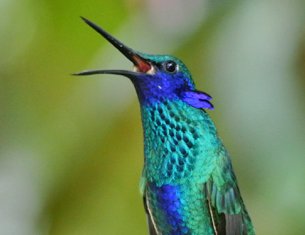
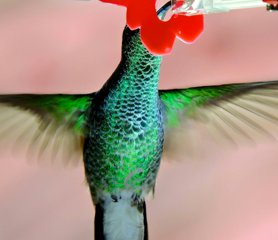
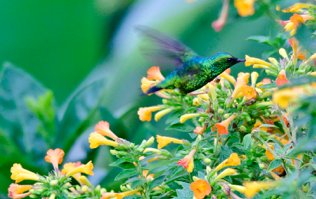
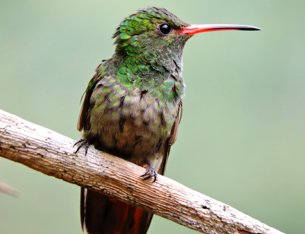
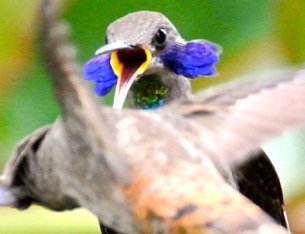
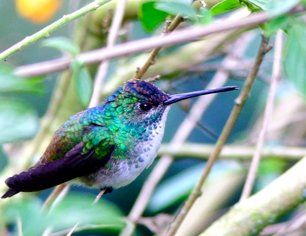
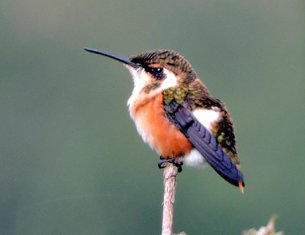
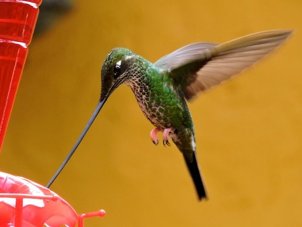
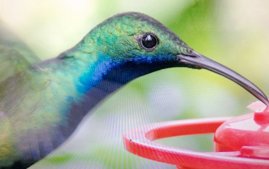
I collaborate on hummingbird biomechanics and ecology — how hummingbirds drink nectar, how their bills bend, why males fight with their bills, and why they pause mid-hover. Much of this fieldwork happens at our research station, Centro Colibrí Gorriazul, in the Colombian Andes.
This research flows straight into my classroom. My review on intrasexually selected weapons (Biological Reviews, 2019) anchors a unit in BIOL 417, and upper-bill bending in hummingbirds is a case study in BIOL 452. Students see a field in motion, with questions still being asked.
Maternal care and tadpole schooling
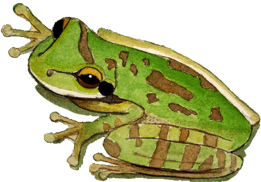
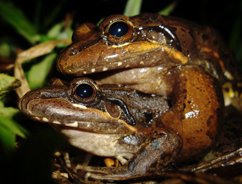
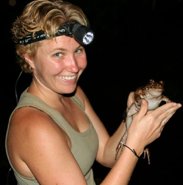
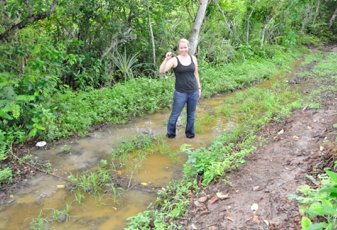
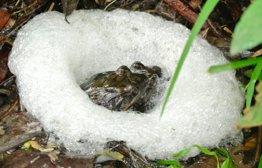
For my dissertation, I studied the frog Leptodactylus insularum in Gamboa, Panama. For almost two years I followed adult frogs and tadpoles in the swamps.
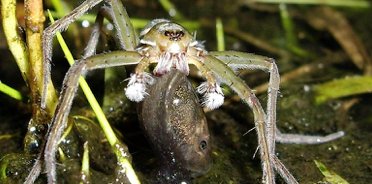
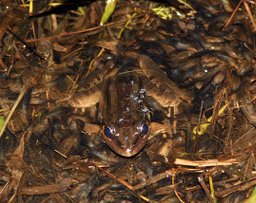
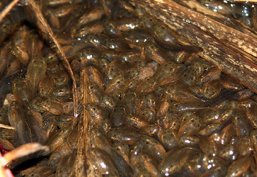
The tadpoles form huge schools of up to 8,000 individuals, and the female attends the school and aggressively defends her tadpoles. I found that not all female frogs provide care, but only tadpole schools that received this care survived to metamorphosis.
The tadpoles are always active and reach metamorphosis in only 16 days! These observations add to the scarce natural history data on tropical frogs.
Ph.D., Ecology & Evolutionary Biology, University of Connecticut, 2011 · B.A., Ecology & Evolutionary Biology, Princeton University, 2001