Kristiina J. Hurme
Teaching
I teach undergraduates at every level at UW, from first-time science students in a 350-person lecture to Biology seniors in a 20-person seminar. My core conviction: biology is not abstract. Students are living it every day when their heart rate spikes on a run or a bird lands on a branch outside the lecture hall.
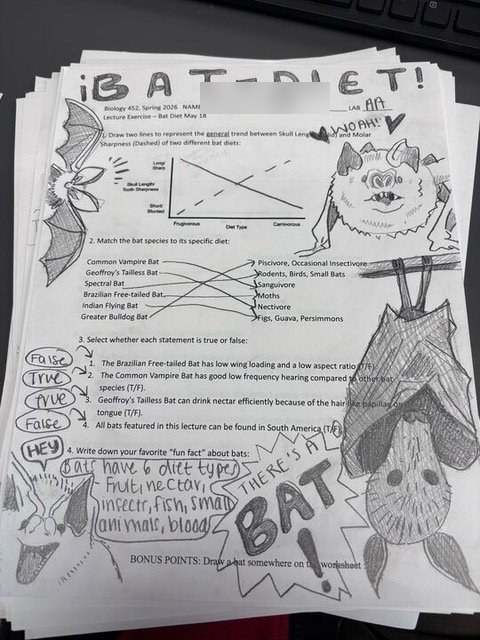
Every course starts with backwards design, and across all of them I emphasize quantitative literacy: reading graphs, spotting patterns, and reasoning from data students have never seen before.
- 35% → 83%field participation after redesigning trips for access
- 4.48average adjusted evaluation across 10 courses
- 60+Peer Facilitators and 11 TAs mentored
- 8Honors research projects supervised
Current courses
BIOL 452 · Vertebrate Biology
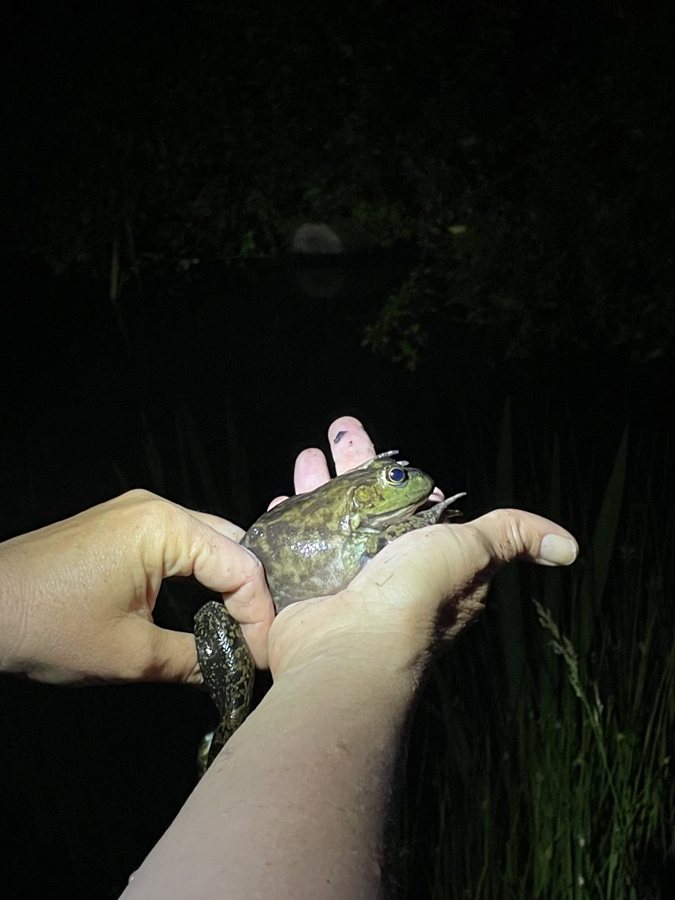
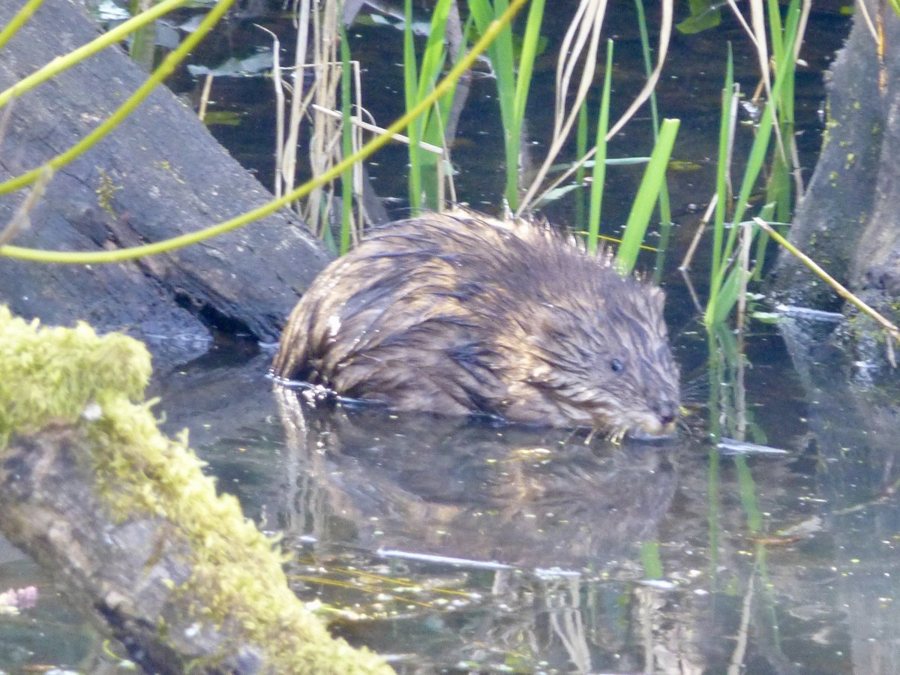
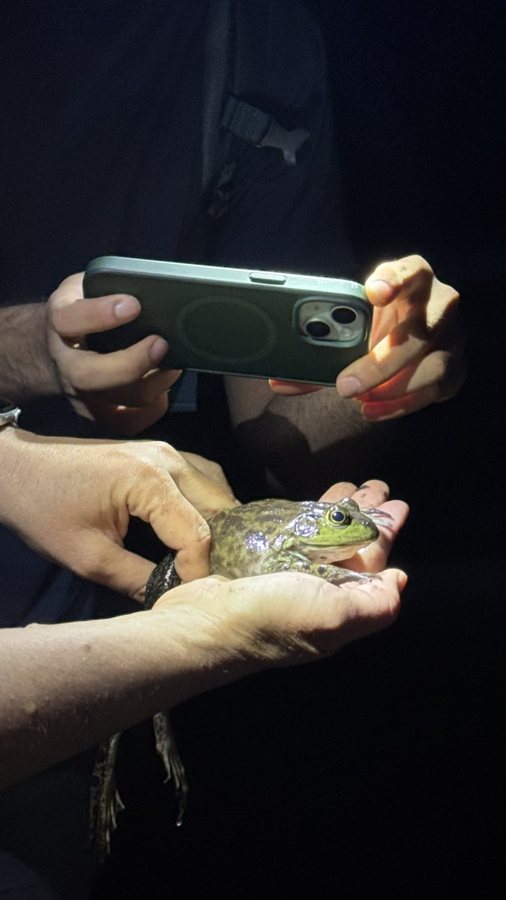
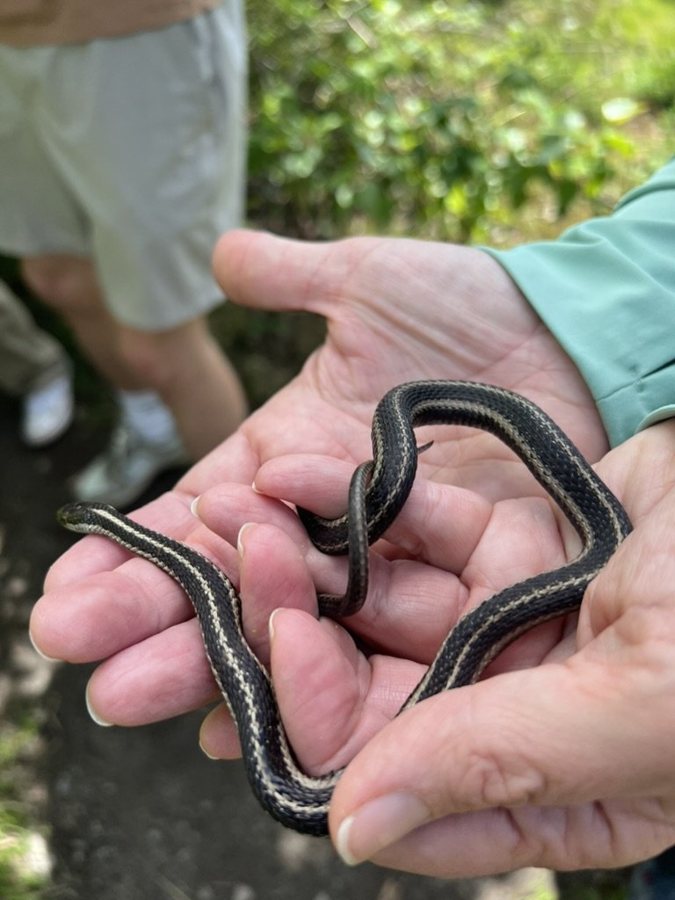
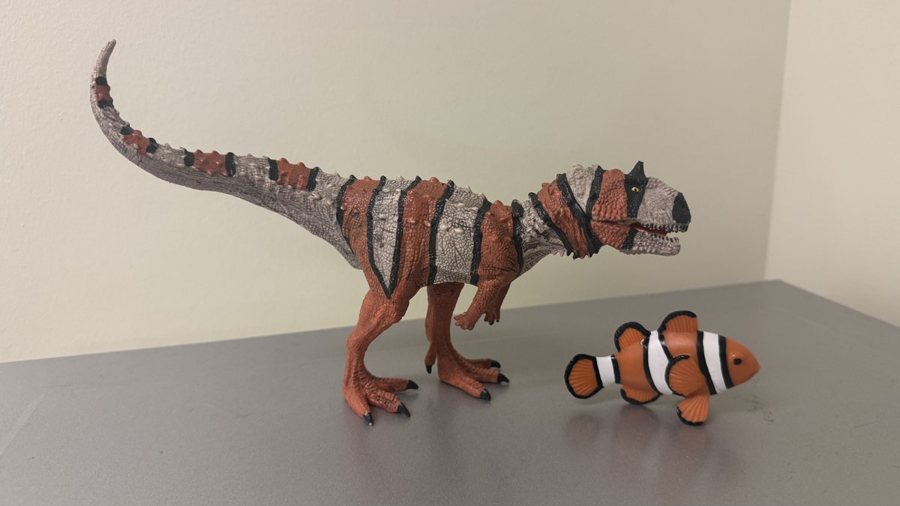
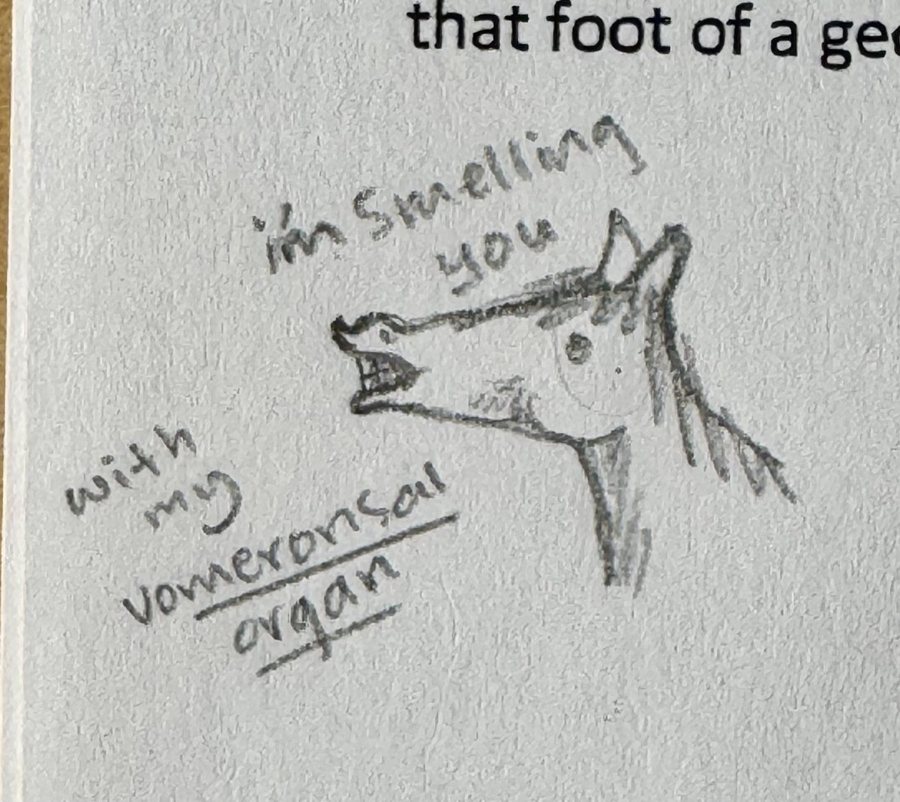
I redesigned the field component into small, weekday, on-campus trips. Students log 20 vertebrate species on iNaturalist and teach their peers from the primary literature.
BIOL 497B · Community Science Seminar
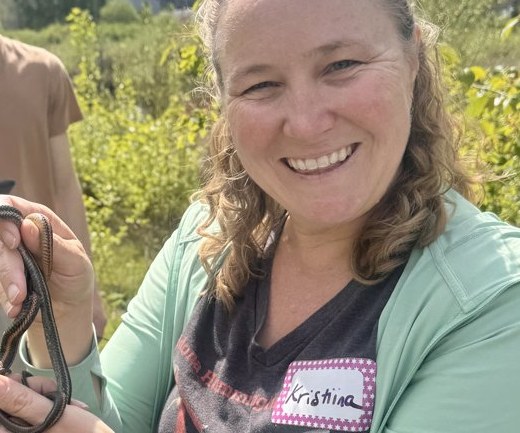
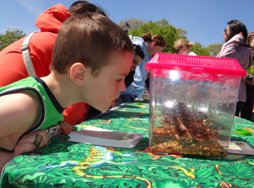
A course I built from scratch. Students design and lead public BioBlitz events on campus, acting as naturalist-educators. More on community science →
BIOL 417 · Reproductive Physiology of Vertebrates
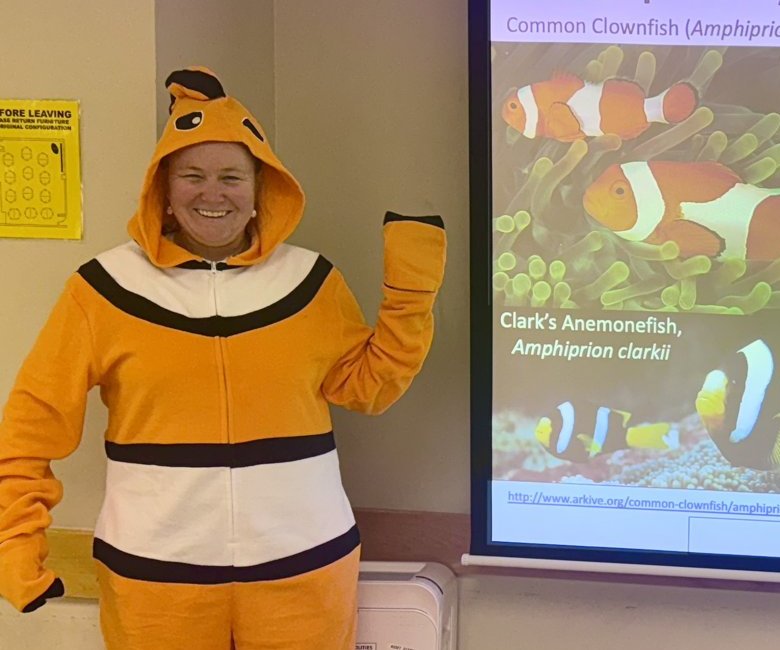
Invited researcher presentations, primary-literature discussion, and in-class graphing worksheets situate humans in their evolutionary context.
BIOL 118 · Survey of Physiology
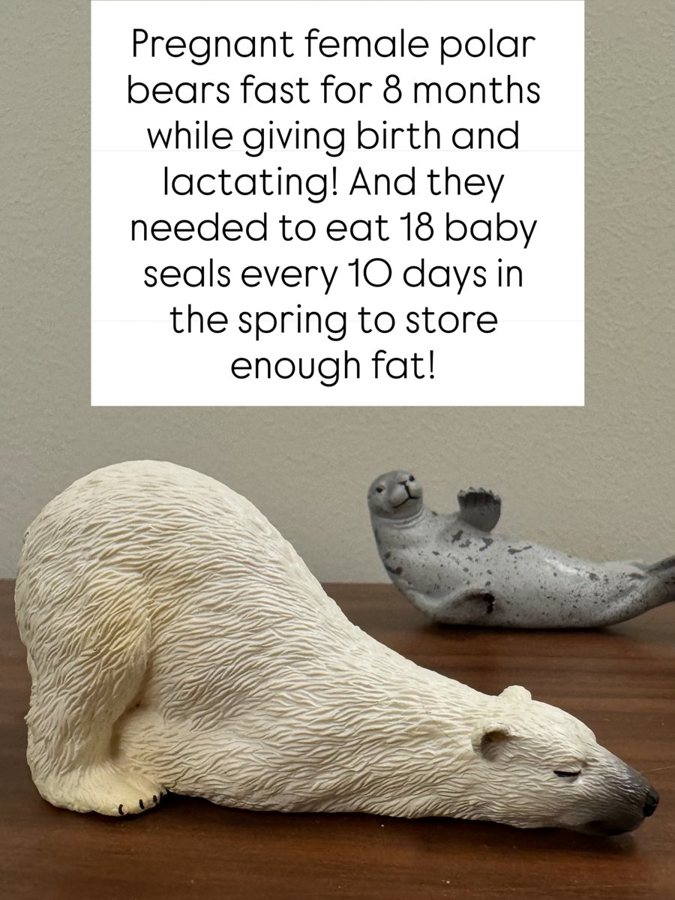
Active learning at scale: daily Scientist Spotlights featuring researchers students can see themselves in, supported by a team of 10–15 Peer Facilitators.
“Watching a professor get something wrong and correct it reframes expertise as a practice rather than a performance.”
Earlier years
Teaching history
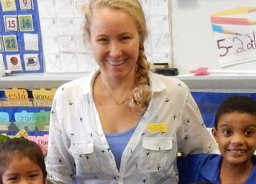
I started as a lecturer in the Department of Biology at UW in March 2020, teaching online due to COVID-19, and co-taught BIOL 417 with Dr. Karen Petersen.
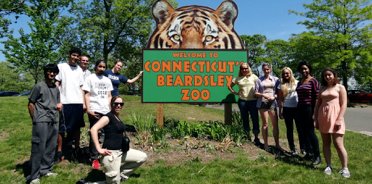
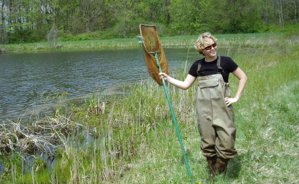
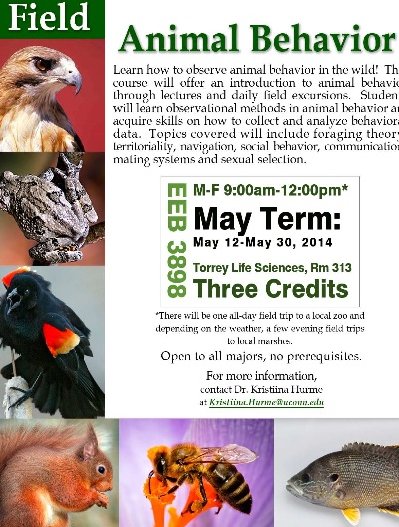
From 2017–2018 I was a lecturer at UC Berkeley, teaching introductory biology labs. As a postdoctoral fellow and adjunct faculty at the University of Connecticut, I developed and taught an intensive summer course, Field Animal Behavior, taught a large lecture course, Biology of the Vertebrates, and served as faculty coordinator for Evolution writing seminars.
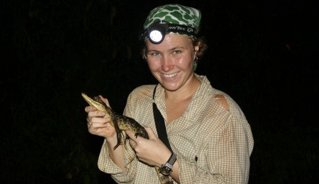
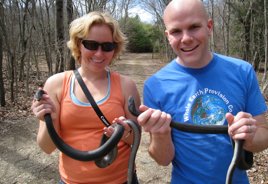
As a graduate student at UConn, I taught introductory biology labs for majors and non-majors and more specialized labs in Comparative Anatomy, Mammalogy, and Herpetology, and received an EEB graduate student teaching award.